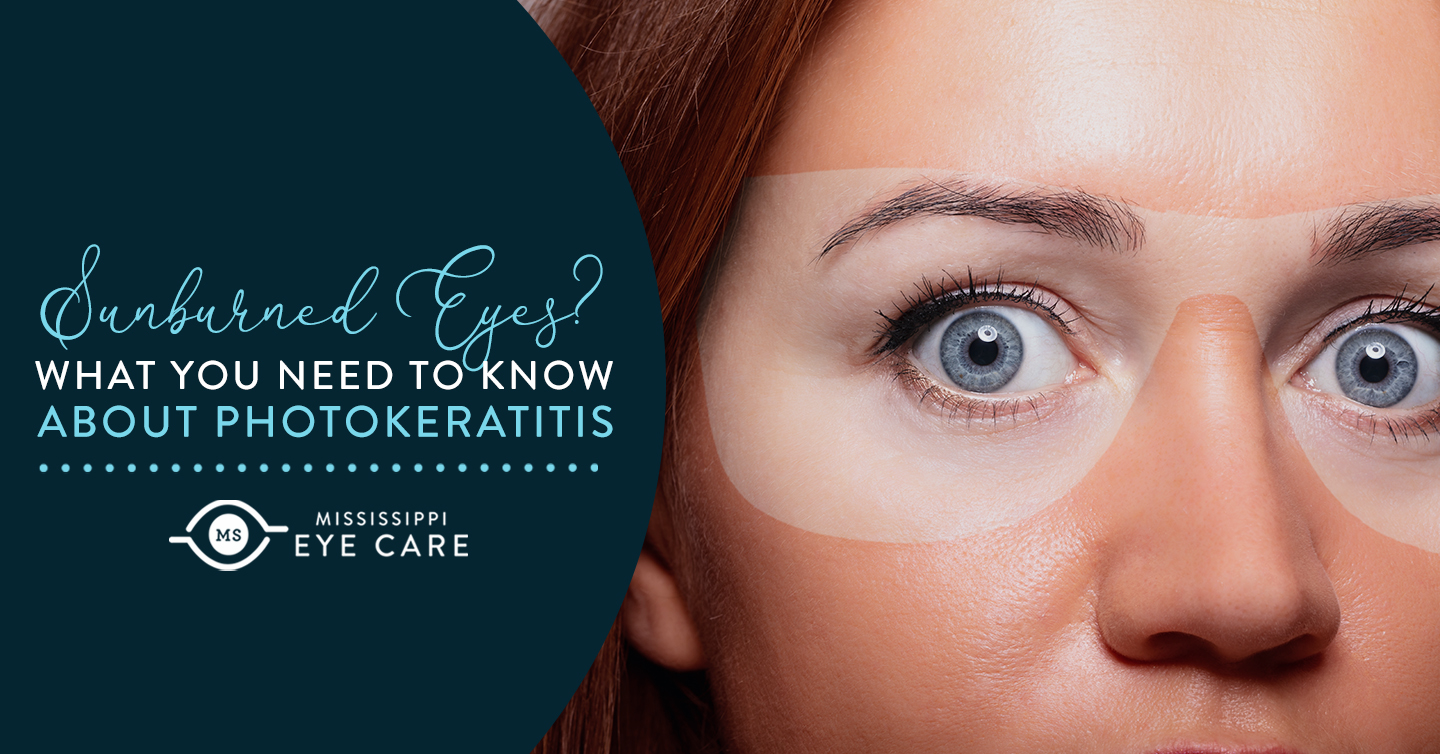
Spent a little too much time soaking up the sun and now your eyes feel irritated and incredibly painful? You might actually be dealing with photokeratitis, a sunburn for your eyes. Before you panic, let’s break down exactly what this condition is and how to protect your vision.
What is Photokeratitis?
Photokeratitis is the medical term for sunburned eyes, a painful condition that occurs when your eyes absorb too much ultraviolet (UV) radiation from the sun or artificial light sources. This overexposure damages the thin, clear outer layer of your eye, leading to temporary but highly uncomfortable symptoms like redness, light sensitivity and more.
Because it can also cause blurred vision and swelling, getting prompt professional medical attention is essential to ensure your eyes heal properly without further complications.
Causes of sunburned eyes.
At its core, photokeratitis is caused by overexposure to ultraviolet (UV) rays, which inflame and damage the outer layer of your cornea and the conjunctiva. While the sun is the most common culprit—especially when it reflects off water, sand or snow—artificial sources like tanning beds, welding arcs and certain lasers can cause the same damage. While anyone can get it, your risk increases if you have:
- Light-colored eyes
- Fair skin
- Past eye history, such as eye diseases or surgeries
Symptoms and dangers.
While the immediate symptoms of photokeratitis—like a burning sensation, temporary vision loss and crusty discharge—typically appear 6 to 12 hours after exposure and resolve within a few days, ignoring them can pose serious risks. If left untreated or subjected to repeated exposure, this condition can become the cause of the following:
- Corneal ulcers and infections: Open sores on the cornea can develop, causing extreme pain, swelling and permanent scarring that impairs your vision.
- Irreversible vision loss: Prolonged damage to the retina can cause irreversible tissue degradation, leading to conditions such as blindness.
- Long-term disease risks: Chronic exposure increases your risk of developing cataracts, macular degeneration and even eyelid cancer.
Effective treatments.
After performing a thorough examination to assess the extent of the damage, your eye doctor can provide targeted treatments to relieve severe pain. Depending on your specific needs, they may prescribe specialized eye drops, including steroids to reduce inflammation, antibiotics to prevent infection or cycloplegic drops to relax eye muscle spasms.
For more focused relief, your doctor might also recommend patching a damaged eye to protect it from light and debris. However, you should seek emergency medical care immediately if your pain is severe.
Summary
Because photokeratitis signs can easily mimic other conditions, getting an accurate professional diagnosis is crucial to preventing long-term damage. If you are experiencing any discomfort or want to make sure your eyes are fully protected, schedule an appointment at your local Mississippi Eye Care for all your eye health needs.
And for more, continue reading our blogs.