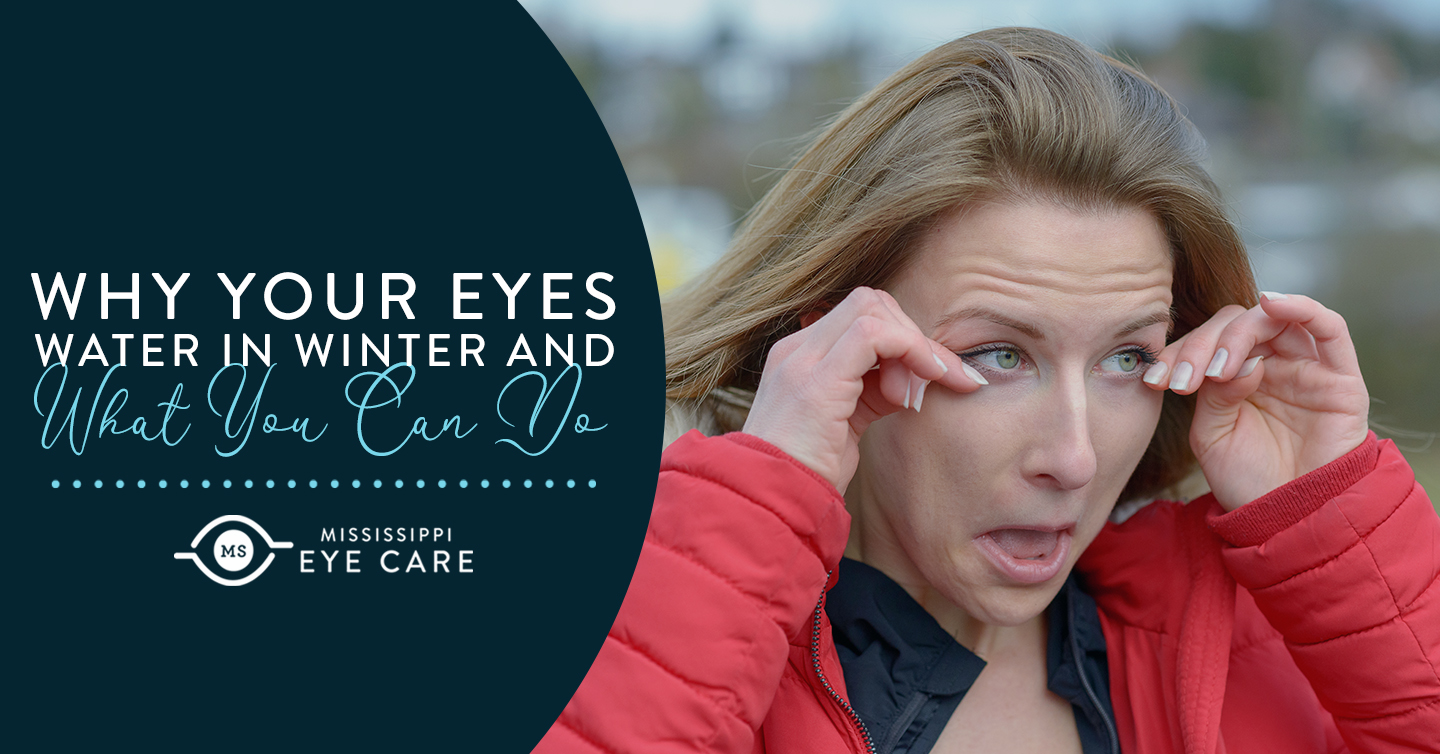
While the crisp winter air is refreshing, it often triggers a cycle of dryness and reflex tearing, leaving your eyes constantly watering. Understanding the science behind why your eyes water in winter and what you can do is the first step toward finding relief through simple adjustments and habits.
Why do your eyes water in the winter?
When you step into the chilling winter air, the cold atmosphere accelerates the evaporation of moisture from the surface of your eyes. This leaves behind a compromised, thin cushion of tears, exposing sensitive surface cells to the elements.
In response to this irritation, your body triggers a protective reflex that signals the lacrimal gland to overproduce tears. Because this sudden flood of “reflex tears” is often more than your tear ducts can drain, they eventually spill over onto your cheeks.
Interestingly, because the root cause of your eyes watering in winter is dehydration of the eye’s surface, the remedy is identical to that for dry eyes. Managing this condition involves a combination of adding lubrication, conserving existing moisture and reducing any inflammation.
How to prevent watery eyes.
To keep your eyes comfortable during the colder months, proactive lubrication is key. Applying over-the-counter artificial tears before heading outdoors provides a vital protective shield against the wind.
You can further preserve your natural moisture by wearing sunglasses or ski goggles to block moving air and by reducing contact lens wear, as lenses can often absorb the tears you need.
While indoors, using a humidifier and directing heating vents away from your face will help prevent the dry, recycled air from accelerating evaporation.
Finally, avoiding irritants like cigarette smoke and eliminating drafts from fans can significantly decrease the reflex tearing triggered by your environment.
Summary
Now that you understand why your eyes water in winter and what you can do, do you still have questions? Connect with your local Mississippi Eye Care clinic, and continue reading our blogs for more eye and vision care tips and news.